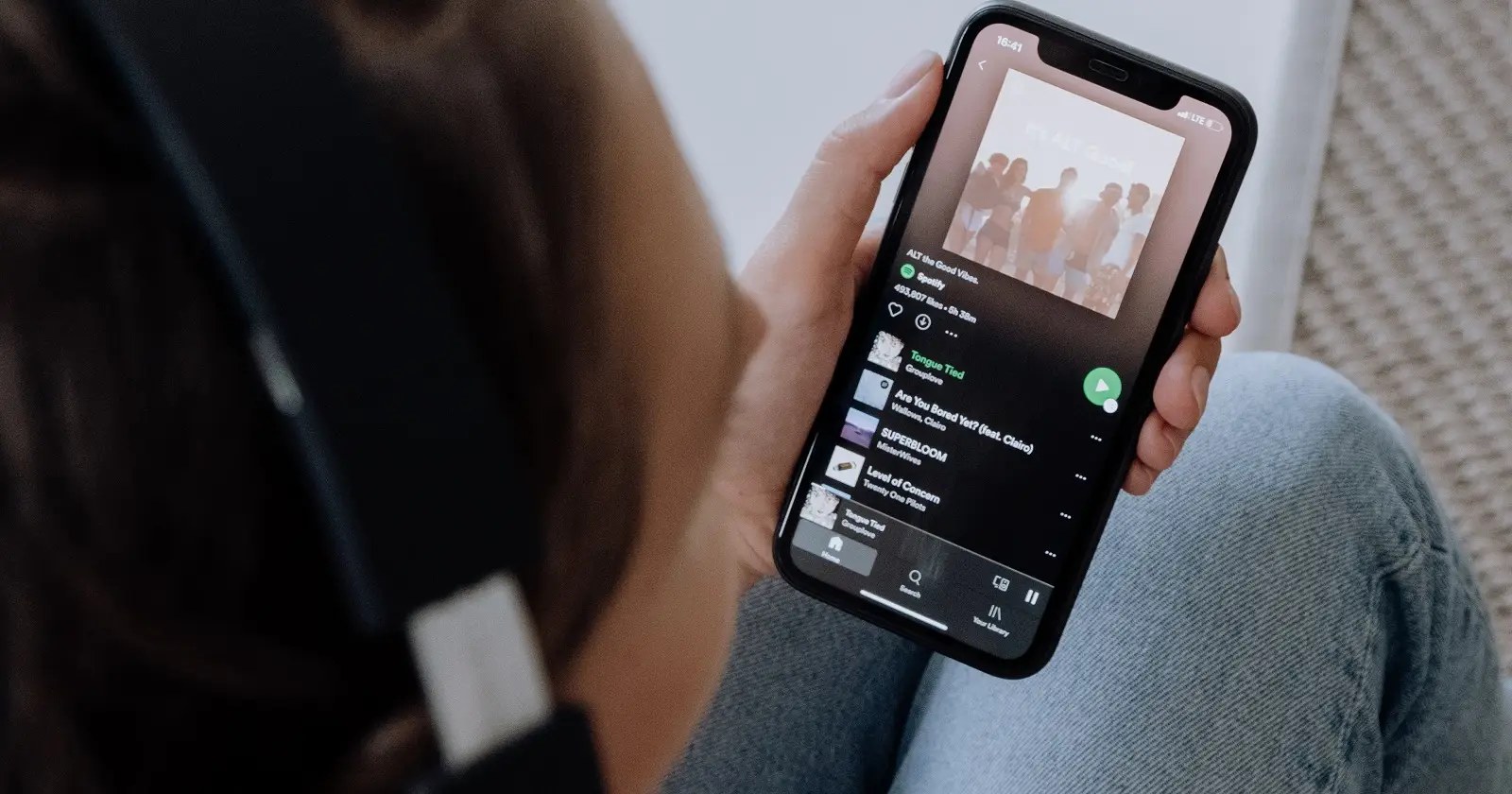
Michael Smith, a 54-year-old North Carolina man, was sentenced to 18 months in federal prison for running a seven-year music streaming fraud scheme that prosecutors say siphoned more than $8 million in royalties away from genuine artists. Federal investigators uncovered a bot army of up to 10,000 fake streaming accounts that streamed hundreds of thousands of AI-generated songs Smith controlled. Prosecutors had recommended 46 months; the judge handed down less than half of that.
On October 6, 2026, U.S. District Judge John G. Koeltl sentenced Michael Smith, 54, of Cornelius, North Carolina, to 18 months in federal prison in a Manhattan courtroom. The judge also ordered two years of supervised release after the prison term and directed Smith to forfeit $8,091,843.64 in illicit proceeds. Smith had pleaded guilty on March 19, 2026, to one count of conspiracy to commit wire fraud, admitting his role in a scheme prosecutors described as one of the largest music streaming frauds ever charged.
How the scheme worked
According to prosecutors, Smith ran the fraud from 2017 through 2024. He created thousands of fake streaming accounts using fake email addresses and fraudulently obtained debit cards, and at the scheme’s peak he was operating as many as 10,000 bot accounts at once. Those bots streamed hundreds of thousands of AI-generated songs that Smith himself controlled.
The fake streams were spread across the biggest platforms in music: Spotify, Apple Music, Amazon Music, and YouTube Music. Because streaming services pay royalties based on play counts, the bot-generated streams triggered millions of dollars in payouts that flowed to Smith instead of real musicians. Prosecutors say he collected more than $8 million in royalties over the course of the scheme.
Outstreaming Taylor Swift
The scale of the operation is hard to overstate. As one example cited in the case, in April 2023 alone Smith’s bots generated 80.9 million streams on YouTube Music family plans — compared with 9.3 million streams for Taylor Swift’s entire catalog that same month. One man’s bot farm was, on paper, outperforming one of the biggest artists on the planet nearly nine to one.
The Department of Justice called the case its first criminally charged “superintelligence-assisted” music streaming fraud, a marker of how artificial intelligence is creating entirely new categories of financial crime.
A lighter sentence than prosecutors sought
Smith was indicted in September 2024 on charges of wire fraud, conspiracy, and money laundering conspiracy. Prosecutors recommended a sentence of 46 months, but Judge Koeltl imposed 18 months — less than half of what the government had asked for.
U.S. Attorney Jamie McDonald said Smith “robbed millions in royalty payments from genuine artists and their fans.” Additional reporting on the sentencing can be found at The FinRate.
Frequently Asked Questions
Who is Michael Smith?
Michael Smith is a 54-year-old man from Cornelius, North Carolina, who was sentenced in October 2026 to 18 months in federal prison for a seven-year music streaming fraud scheme that netted him more than $8 million in royalties.
What exactly did he do?
From 2017 to 2024, Smith ran up to 10,000 fake streaming accounts at once. The bots streamed hundreds of thousands of AI-generated songs he controlled on Spotify, Apple Music, Amazon Music, and YouTube Music, generating royalty payments that went to him instead of real artists.
How did he create so many fake accounts?
Prosecutors say Smith created thousands of fake streaming accounts using fake email addresses and fraudulently obtained debit cards, allowing him to operate a massive bot network that looked like real listeners to the streaming platforms.
How much money was involved?
Smith collected more than $8 million in royalties. The judge ordered him to forfeit $8,091,843.64.
How did his bots compare to real artists?
In April 2023, Smith’s bots generated 80.9 million streams on YouTube Music family plans in a single month — versus 9.3 million streams for Taylor Swift’s entire catalog that month.
What did he plead guilty to?
Smith pleaded guilty on March 19, 2026, to one count of conspiracy to commit wire fraud. He had been indicted in September 2024 on wire fraud, conspiracy, and money laundering conspiracy charges.
What does “superintelligence-assisted” fraud mean?
The Department of Justice described the case as its first criminally charged “superintelligence-assisted” music streaming fraud, referring to Smith’s use of AI-generated music and automated bot accounts to carry out the scheme at scale.
What is his punishment?
Smith was sentenced to 18 months in federal prison, followed by two years of supervised release, and must forfeit $8,091,843.64. Prosecutors had recommended 46 months, but the judge imposed less than half of that.