A Durham County judge has sentenced Miguel Salguero Olivares to life in prison without the possibility of parole for the 2012 rape and murder of Faith Hedgepeth, a 19-year-old student at the University of North Carolina at Chapel Hill. The sentence, handed down on Friday, October 23, 2026, closed a case that had haunted North Carolina for more than 14 years before DNA evidence finally identified a suspect.
TL;DR: Miguel Salguero Olivares, 33, was convicted of first-degree murder, rape, sexual offense and burglary in the September 2012 killing of UNC student Faith Hedgepeth. A judge sentenced him to life without parole plus 45 to 65 more years on the other charges. He was arrested in 2021 after a DNA sample taken during a traffic stop matched evidence from the crime scene.
A Crime That Went Unsolved for Nine Years
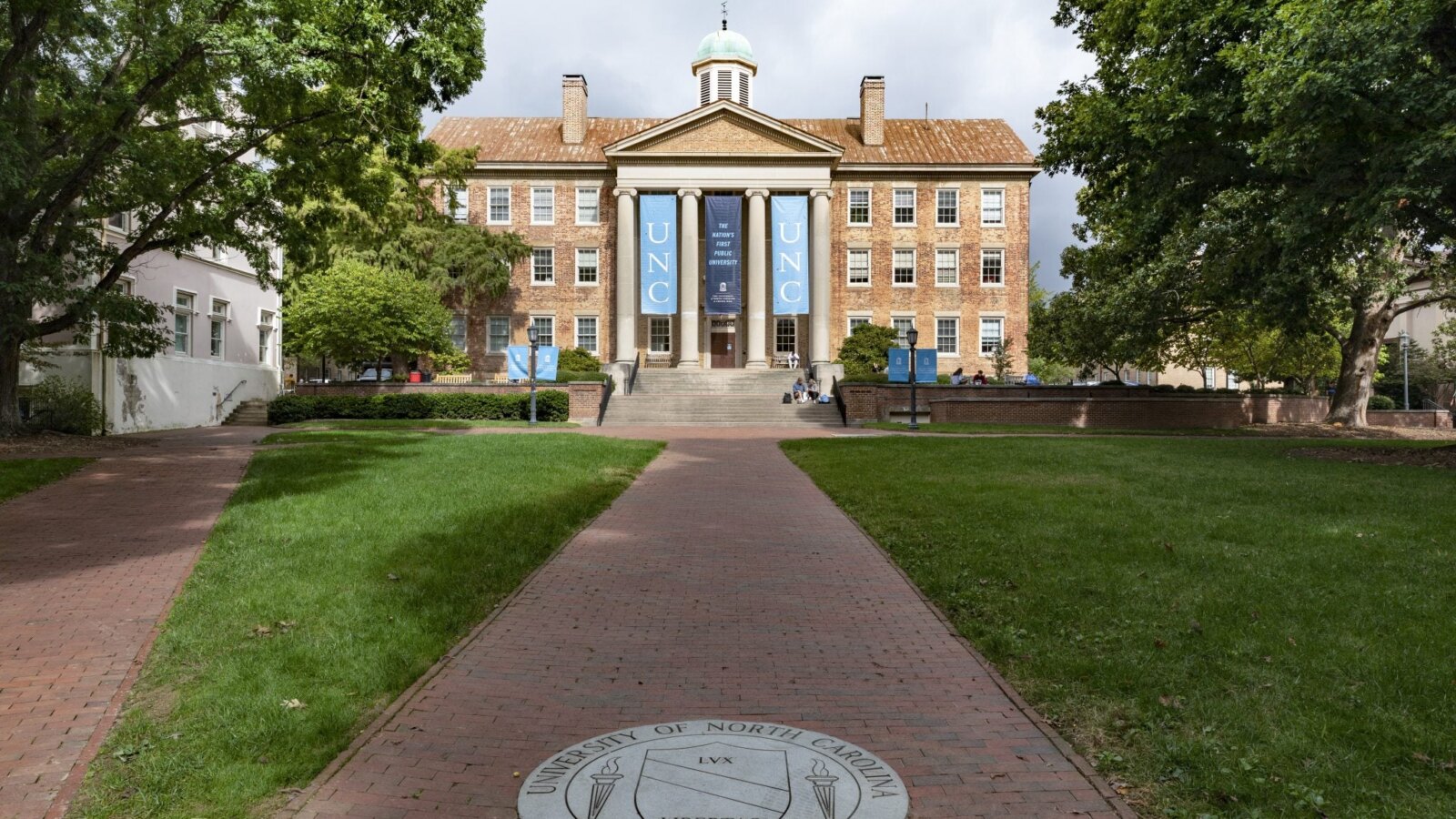
Faith Hedgepeth was a sophomore at UNC-Chapel Hill when her roommate, Karena Rosario, returned to their off-campus apartment on the morning of September 7, 2012, and found her dead. Hedgepeth had been beaten to death inside the apartment, and the killing quickly became one of the most high-profile unsolved homicides in North Carolina.
For years, investigators pursued leads without an arrest. That changed in September 2021, when Olivares was pulled over for driving while intoxicated and provided a DNA sample. Prosecutors said that sample matched forensic evidence recovered from the apartment, and Olivares was charged with Hedgepeth’s murder nine years after her death.
The Trial and the Verdict
The trial lasted nearly three weeks and featured testimony from 23 witnesses, including Rosario, forensic experts and investigators. Prosecutors told jurors that the forensic evidence pointed squarely at Olivares, with one prosecutor describing the DNA evidence as, in effect, calling out his name. The defense questioned Rosario’s account of the night, the handling of the crime scene and the reliability of the DNA evidence, and argued that DNA from a sexual encounter can linger for days.
Olivares did not testify, and his attorneys rested their case without calling witnesses. Jurors deliberated for six hours over two days before convicting him on all counts: first-degree murder, first-degree rape, first-degree sexual offense and first-degree burglary.
The Sentence and the Family’s Words
Superior Court Judge Keith Gregory imposed life in prison without parole on the murder charge and ordered the additional sentences, totalling 45 to 65 years, to run consecutively. As the verdict was read, Olivares could be heard saying, “It’s not fair,” according to WRAL. His attorneys indicated in court that he intends to appeal.
Before sentencing, Hedgepeth’s parents addressed the court. Her mother said she had forgiven her daughter’s killer long ago, just three weeks after the death, while also speaking of the lasting ache of the loss. Her father described losing his daughter as having his heart ripped out, and said he forgave Olivares without reservation. Their statements, delivered after more than 5,100 days of waiting, brought a measure of closure to a family that had waited over 14 years for a courtroom resolution.
The case stands as a reminder of how far forensic science has come: a routine traffic stop, years after the crime, produced the sample that finally connected a suspect to a crime scene that had yielded no arrest for nearly a decade. For the Hedgepeth family and the Chapel Hill community, the verdict does not undo the loss, but it answers a question that lingered for a generation of students.
Sources: PEOPLE; The Economic Times (reporting WRAL, WTVD and Axios coverage).
Frequently Asked Questions
Who was Faith Hedgepeth?
Faith Hedgepeth was a 19-year-old sophomore at the University of North Carolina at Chapel Hill. She was found dead in her off-campus apartment in Chapel Hill on September 7, 2012.
Who was convicted of killing her?
Miguel Salguero Olivares, 33, was convicted of first-degree murder, first-degree rape, first-degree sexual offense and first-degree burglary in connection with her death.
What sentence did Olivares receive?
Superior Court Judge Keith Gregory sentenced him to life in prison without the possibility of parole for murder, plus 45 to 65 years on the remaining charges, to run consecutively.
When was the verdict delivered?
The jury returned its verdict on Friday, October 23, 2026, after deliberating for six hours over two days following a trial of nearly three weeks.
How was Olivares identified as a suspect?
He was arrested in September 2021 after a DNA sample collected during a traffic stop for driving while intoxicated matched forensic evidence from the crime scene, according to prosecutors.
How was Hedgepeth found?
Her roommate, Karena Rosario, returned to their shared off-campus apartment on the morning of September 7, 2012, and discovered Hedgepeth dead. Rosario later testified at trial.
Did Olivares testify at trial?
No. Olivares did not testify, and his defense attorneys rested their case without calling any witnesses.
Is Olivares appealing?
His attorneys indicated in court that he intends to appeal the convictions and sentences.
Where was the trial held?
The trial took place in Durham County, North Carolina, and the sentencing was imposed by Superior Court Judge Keith Gregory.
Why did the case take so long to solve?
The killing went unsolved for nine years until the 2021 DNA match. Before that arrest, investigators had no suspect charged in one of North Carolina’s most high-profile unsolved homicides.