TL;DR: A Michigan business consultant has been sentenced to 70 months in federal prison for helping prepare fraudulent pandemic-relief loan applications that led to more than $4.7 million in wrongful disbursements.
A Michigan man has been sentenced to 70 months in federal prison for his role in a scheme to defraud the Paycheck Protection Program (PPP), federal prosecutors announced. Carl Lawrence, 50, of Kentwood, Michigan, was sentenced on Oct. 20, 2026, by U.S. District Judge Jennifer L. Hall in Delaware.
Lawrence ran a business-consulting firm, according to court documents. Over the internet, he met Jady Solano, a Wilmington tax preparer, and the two conspired to defraud the PPP, a COVID-19 relief programme designed to safeguard jobs during the pandemic.
Lawrence referred his consulting clients to Solano, who prepared fraudulent applications on their behalf, and Lawrence personally falsified documents for inclusion in the applications, prosecutors said. In total, Lawrence assisted with 29 fraudulent applications, resulting in more than $4.7 million in wrongful loan disbursements.
How the scheme worked
The PPP was created to help small businesses keep workers employed during the pandemic, with loans that could be forgiven if the money was used for payroll and other qualifying costs. That urgency, and the volume of applications, also made it a target for fraud.
In this case, prosecutors said the fraud ran through a consultant and a tax preparer working together: Lawrence brought in clients and falsified documents, while Solano prepared the applications that carried those false details to lenders and to the programme. The result was money paid out on applications that should never have been approved.
The money and the forfeiture
Lawrence personally made nearly $450,000 through the scheme, all of which he has been ordered to forfeit to the government, prosecutors said. The total scheme led by Lawrence and Solano obtained approximately $9.1 million in pandemic relief funds, far more than the $4.7 million tied directly to the 29 applications Lawrence assisted with.
Forfeiture matters in fraud cases because it targets the profit, not just the prison time. A defendant who keeps the proceeds of a fraud has, in the government’s view, not fully faced the consequences, even after a sentence is served.
Eight people charged
Across two charging instruments, eight members of the scheme have been charged, prosecutors said. That scope suggests investigators traced a network rather than a single bad actor: a consultant, a preparer and clients whose applications carried false information.
Cases like this one often unfold in stages, with early defendants cooperating or pleading guilty while investigators work outward to others involved. Prosecutors have not detailed the status of every person charged in this scheme.
Why pandemic-relief fraud still reaches court years later
The PPP ended years ago, but its fraud cases continue to reach sentencing because the investigations are document-heavy: bank records, loan files, tax returns and communications must be matched application by application, and each false statement must be proved.
For small businesses that used the programme legitimately, these prosecutions are a reminder of why the rules existed: relief money was finite, and every fraudulent disbursement was money that could not go to a business trying to keep its workers paid.
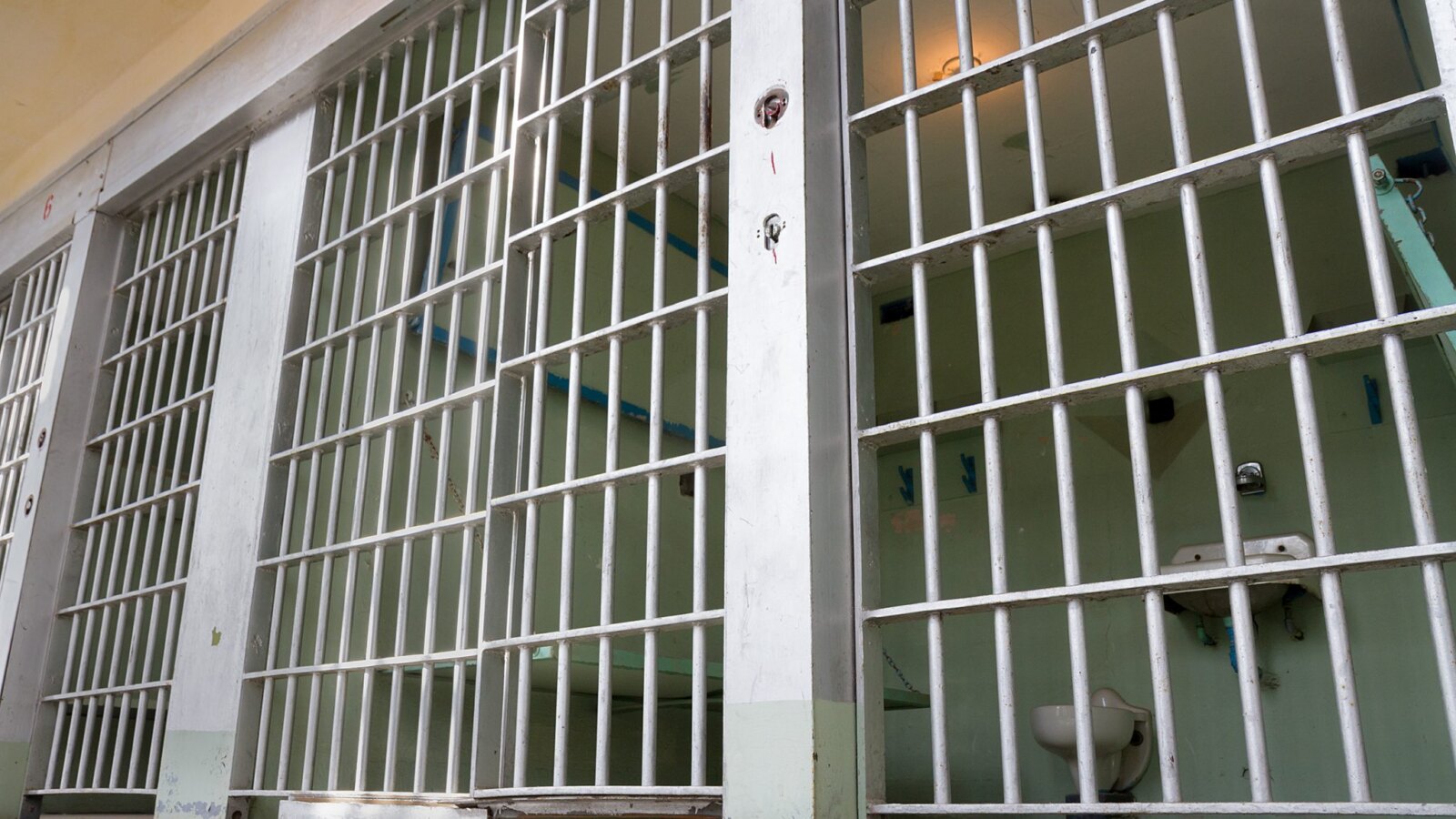
Featured image: representative scene photo, not a photo of the people or the exact location in this case. Image source: prison photo
Sources: U.S. Department of Justice, District of Delaware.
Frequently Asked Questions
Who was sentenced in the pandemic-relief fraud case?
Carl Lawrence, 50, of Kentwood, Michigan.
What was his sentence?
70 months in federal prison, imposed on Oct. 20, 2026, by U.S. District Judge Jennifer L. Hall.
What did Lawrence do?
He referred consulting clients to a tax preparer who filed fraudulent PPP applications and personally falsified documents for those applications, prosecutors said.
How much money was involved?
Lawrence assisted with 29 fraudulent applications resulting in more than $4.7 million in wrongful disbursements; the wider scheme obtained about $9.1 million.
How much did Lawrence personally make?
Nearly $450,000, which he has been ordered to forfeit.
Who was his co-conspirator?
Jady Solano, a Wilmington tax preparer, according to court documents cited by prosecutors.
How many people were charged in the scheme?
Eight members of the scheme have been charged across two charging instruments.