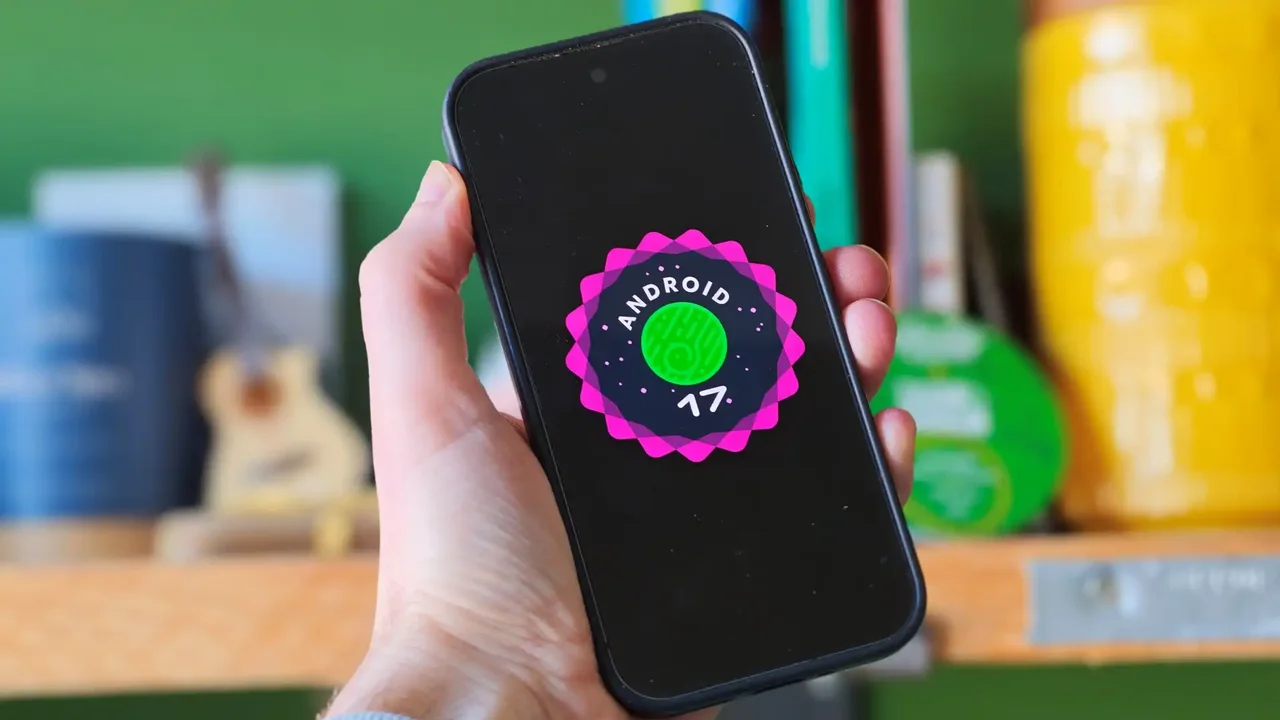
Samsung kicked off distribution of stable One UI 9 on September 16, 2026, sending the Android 17-based update to the Galaxy S26, Galaxy S26+ and Galaxy S26 Ultra. The firmware, labeled S94xNKSU4BZ16, also bundles September’s security patch, giving early recipients both a fresh software base and up-to-date protections in one package.
For now, this rollout is confined to South Korea. Owners of these three phones elsewhere will need to sit tight, since Samsung hasn’t published a market list or a timeline for expanding beyond its home turf. The company says the release will widen gradually, which is standard practice for its major Android updates but still leaves international buyers guessing.
What’s really notable here isn’t the feature list so much as the shift from beta to finished software. After roughly four months of testing, the S26 lineup can finally move off the trial track and onto the stable channel. The Galaxy Z Fold 8 and Galaxy Z Flip 8 technically got there first, launching with One UI 9 out of the box back in July, but this marks the first time devices already in customers’ hands are being upgraded to the stable build. It follows a string of test releases, including a fourth beta specifically for the S26 series, and effectively opens a new chapter for Android 17 across Samsung’s lineup — though far from a worldwide one just yet.
The headline new feature is called My FanCam. It lets users tap on a specific person within a video, then automatically tracks their movement and reframes the shot to keep them centered as they move around. Samsung’s Now Brief assistant also gets an upgrade, now offering generative, editable cards instead of static summaries.
Beyond that, the interface has picked up a batch of smaller refinements. Quick settings toggles and the media player can now be resized to taste. Brightness and volume sliders are noticeably thicker and easier to grab, while animations feel snappier when opening folders, pulling up search, or arranging widgets. None of this amounts to a dramatic redesign — it’s more about smoothing out everyday friction than reinventing how Galaxy phones look and feel. Still, the jump to a stable release matters more on its own than any of these individual tweaks.
On the AI side, One UI 9 expands several Galaxy AI tools, including document analysis, voice memo summaries, translation, and content generation features. Samsung has also added a security check-up, privacy alerts processed entirely on-device, and tools designed to flag potential scams.
Not every one of these features will necessarily work the moment the update lands in a given country. Availability can depend on local market and language settings, separate from when the firmware itself actually arrives.
In South Korea, the update should show up as a notification and can download automatically if that setting is turned on. Samsung says other regions will get their turn eventually, and a partial list of upcoming devices — including the Galaxy Tab S9 family — has already surfaced, though it’s incomplete and comes without any dates attached.
For now, this counts as the starting gun for Samsung’s stable Android 17 rollout rather than the finish line. Whether it becomes a bigger story depends on how quickly the company opens things up to other countries and whether it commits to a schedule for updating older Galaxy generations.